

Heating Cable
A heating cable is a flexible linear heating device that converts electrical energy into thermal energy, widely used in industrial heat tracing, civil heating, and temperature control in special scenarios. It is not a single product but is divided into multiple types based on working principles and application scenarios, among which self-regulating heating cables and constant wattage heating cables are the two mainstream types.
Core Types and Working Principles
The technical route of heating cables mainly depends on their heating core material and control method:
Self-Regulating Heating Cable
Core Principle: Based on the positive temperature coefficient (PTC) effect of conductive polymers (PTC materials). When the ambient temperature rises, the micro-molecules inside the PTC material expand, causing the distance between conductive carbon particles to increase, and the resistivity to rise sharply, thereby automatically reducing or even blocking the current and decreasing heat output; conversely, when the temperature drops, the resistance decreases, automatically increasing the output power.
Core Advantages: It can automatically adjust output power according to ambient temperature, preventing local overheating without the need for an external thermostat, and is relatively safe even when installed with overlapping crossings. It can be cut to any length, offering flexible installation.
Typical Applications: Freeze protection and temperature maintenance for process pipelines, storage tanks, and instruments; freeze protection for fire protection pipelines; snow melting on roads and roofs.
Constant Wattage Heating Cable
Core Principle: Uses metal heating alloy wire as the heating element, whose resistance is essentially constant. Under rated voltage, the heating power per unit length is also essentially constant and does not change with ambient temperature.
Core Characteristics: The output power is stable, but it must be used with a thermostat; otherwise, if heat cannot be dissipated (e.g., when covered), the local temperature will continue to rise, posing a safety hazard. Cutting and splicing are strictly prohibited after leaving the factory; it must be laid as a whole length according to the design.
Typical Applications: Radiant floor heating (underfloor heating), high-temperature yoga rooms, sauna rooms, livestock breeding insulation, etc.
Heating-Temperature Sensing Integrated Cable
Core Principle: Integrates thermocouple wires inside the heating cable, combining heating and real-time temperature measurement functions.
Core Advantages: It can precisely monitor the temperature of the heated medium, enabling closed-loop control, while simplifying construction and avoiding the difficulty of separately installing temperature sensing tubes.
Typical Applications: High-viscosity crude oil transportation in the petroleum industry, deep well heat tracing, and other scenarios with extremely high temperature control requirements.
Comparison of Main Types
Table
Download as Table
Export as Image
Characteristic Self-Regulating Heating Cable Constant Wattage Heating Cable
Power Adjustment Automatic adjustment, varies with temperature Constant, requires external thermostat
Installation Flexibility Can be cut to any length, overlapping allowed Cutting and splicing strictly prohibited, no overlapping
Safety Higher, with built-in overheat protection Lower, depends on thermostat and installation specifications
Main Applications Industrial pipeline/tank heat tracing, snow melting Radiant floor heating, special space heating
Control Method Can be simple on/off control or with thermostat Must be used with thermostat
🏭 Key Application Areas
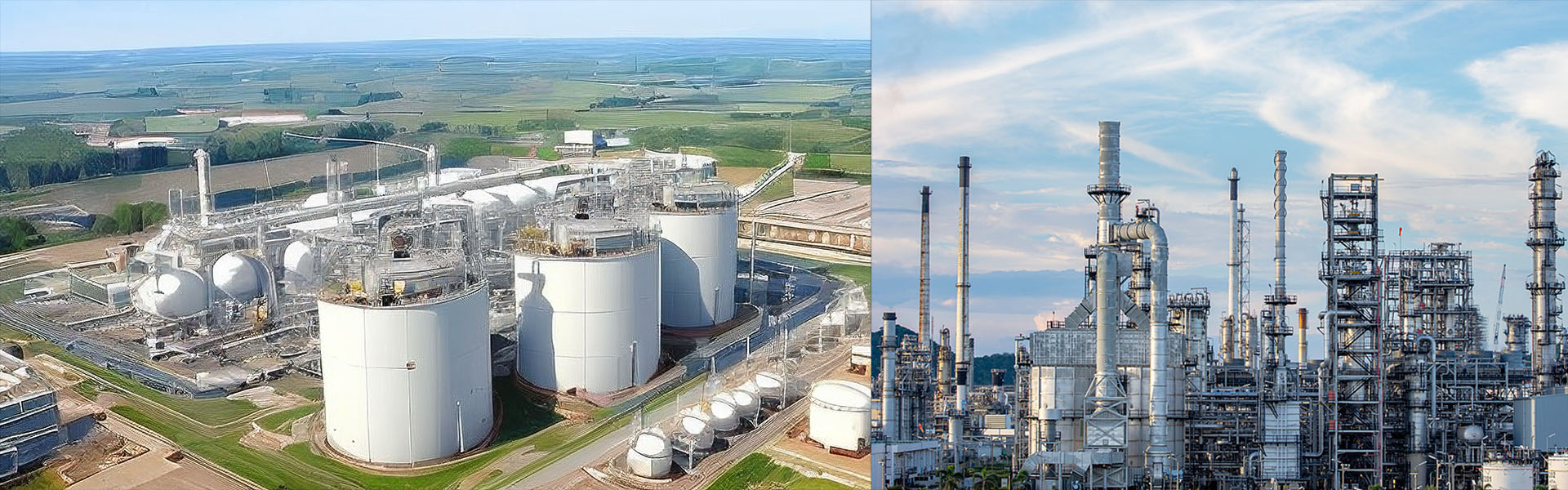
Industrial Heat Tracing: Freeze protection and process temperature maintenance for process pipelines, storage tanks, instruments, and fire protection systems in petrochemical, power, construction, and other fields.
Civil/Commercial Heating: Radiant floor heating systems in residences, villas, and commercial buildings.
Special Scenarios: Precise insulation in high-temperature yoga rooms, sauna rooms, and livestock breeding (e.g., farrowing rooms, nursery rooms).
Outdoor Snow Melting: Anti-icing and snow removal on roads, ramps, crosswalks, eaves, and gutters.
Installation and Safety Specifications
The installation of heating cables must strictly comply with specifications, which is key to ensuring system safety and lifespan:
Strictly Prohibit On-site Cutting and Splicing: Especially for constant wattage heating cables, the length and power are determined at the factory; on-site cutting or splicing will damage their electrical performance, leading to serious safety accidents.
Avoid Covering and Blocking: Heating cables installed on the ground should avoid areas under fixed equipment, sanitary fixtures, and furniture without legs. Coverings will hinder heat dissipation, causing local temperatures to rise excessively, posing safety hazards or shortening cable lifespan.
Ensure Bending Radius: The bending radius of the cable during installation should not be less than the limit specified by the manufacturer, usually not less than 6 times the cable outer diameter, to prevent damage to the internal structure.
Test Before and After Installation: The nominal resistance and insulation resistance of the cable must be measured before and after installation (before the filling layer construction), and records should be kept to ensure the cable has no open circuits, short circuits, or insulation damage.
Standard Fixing and Laying: In floor heating systems, heating cables should be fixed on a metal mesh and kept straight, with spacing errors typically not exceeding 10mm.
Relevant Standards
The design, production, installation, and acceptance of heating cables must comply with a series of national and industry standards, mainly including:
GB/T 20841-2025 "Heating cables for household facilities heating and anti-icing with rated voltage up to and including 300/500V": Specifies product requirements for civil and anti-icing heating cables, to be implemented on May 1, 2026.
GB/T 16895.34-2018 "Low-voltage electrical installations - Part 7-753: Requirements for special installations or locations - Heating cables and embedded heating systems": Specifies safety requirements for the installation of heating cables in building electrical installations.
JGJ 142-2012 "Technical specification for radiant heating and cooling": Details the design, construction, and acceptance requirements for heating cables in radiant floor heating systems, such as linear power limits and avoiding coverage.