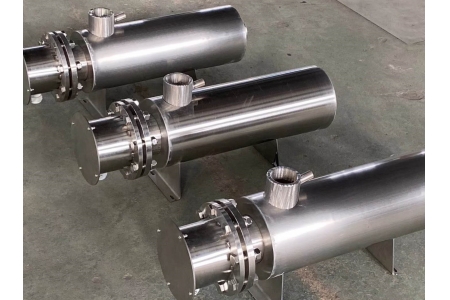

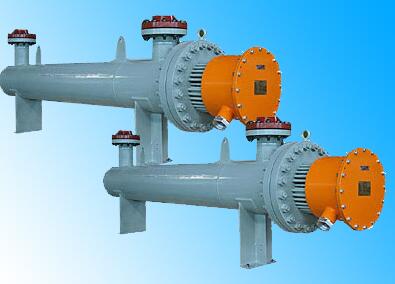
Pipeline heater for desulfurization industrial gas liquid compressed air
Regarding the keywords you mentioned, such as "pipeline heater," "desulfurization," "industrial gas," "liquid," and "compressed air," these cover the core heating needs in the industrial environmental protection and energy fields. As a key industrial electric heating device, the pipeline heater can perfectly adapt to these complex working conditions. The following is a summary of its applications and technical points in these specific scenarios:
I. Application in Desulfurization Systems (Environmental Protection and Denitrification)
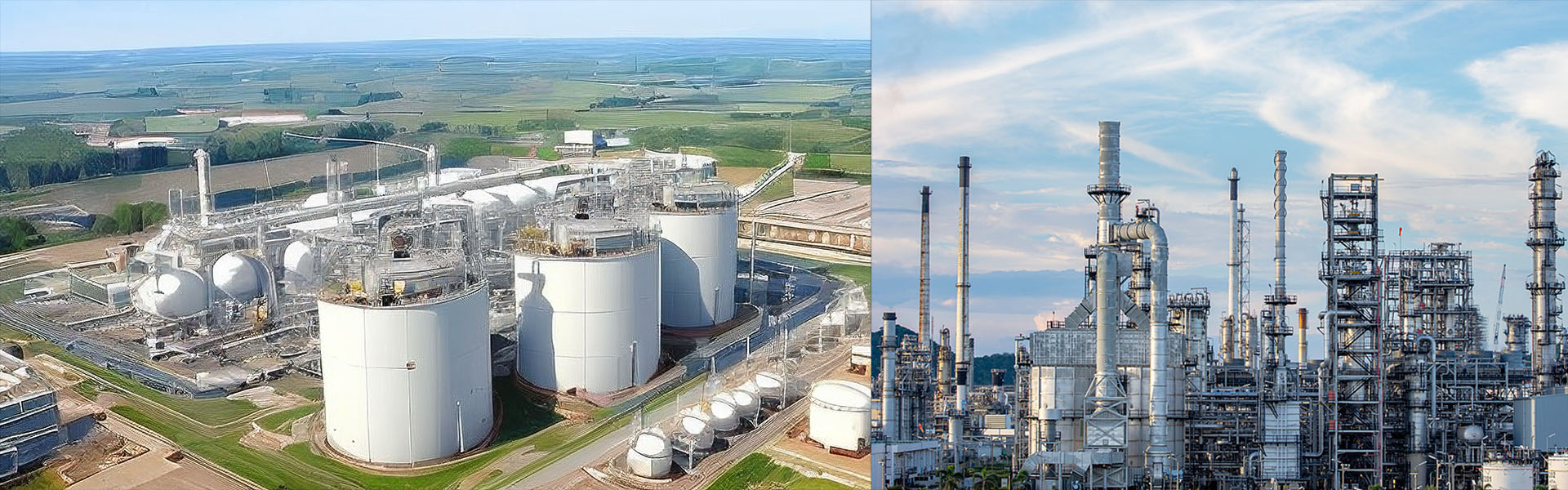
In the environmental protection desulfurization and denitrification process, the pipeline heater plays a crucial role. The desulfurization and denitrification process usually requires high-temperature hot air (for example, ranging from 550°C to 640°C) to promote chemical reactions. By using a pipeline heater to rapidly heat the air to the required temperature, it not only ensures the circulation heating of the desulfurization liquid and the timely decomposition of ammonium salts, but also effectively reduces the system resistance of the desulfurization tower. Since this scenario often involves flammable, explosive, or corrosive gases, an air duct heater with explosion-proof certification and corrosion-resistant materials is usually selected.
II. Industrial Gas Heating
In industries such as chemical, electronics, new energy, and aerospace, pipeline heaters are widely used for preheating and heating various industrial gases.
Common gases: including nitrogen, oxygen, hydrogen, natural gas, ammonia, methanol vapor, etc.
Application characteristics: According to the physical properties of different gases, manufacturers will choose appropriate heating tube materials and insulation methods to ensure the safe and stable operation of the equipment under gradient heating or high-temperature environments.
III. Liquid Medium Heating
In addition to gases, pipeline heaters are also suitable for heating various liquid media, but liquid heating imposes higher requirements on the equipment's structure, flow channel design, and materials.
Common liquids: water and aqueous solutions (such as process water, cleaning water), various oils (such as heat transfer oil, lubricating oil, hydraulic oil), chemical raw materials, and pharmaceutical and food liquids, etc.
Application characteristics: For liquids with corrosiveness or high viscosity, the heater usually adopts stainless steel or special alloy materials, and optimizes the layout of heating tubes to prevent local overheating and ensure heat exchange efficiency.
IV. Compressed Air Heating
Compressed air is widely used in industrial automation, spraying, and pneumatic equipment. By using a pipeline heater to increase the temperature of compressed air, it can effectively improve the operational stability of equipment, enhance gas drying effects, and improve process treatment efficiency.