
In-line Heater
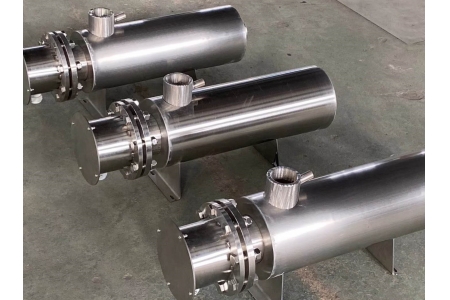
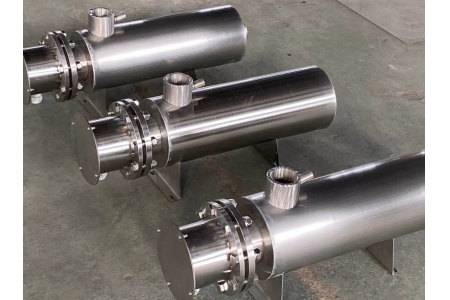
An in-line heater (also known as an online heater or pipeline heater) is an electric heating device specifically designed for continuous heating of pipelines or the medium flowing inside them (such as gases or liquids). With advantages such as high thermal efficiency, precise temperature control, and safety and reliability, it plays a key role in industrial production and scientific research.
Core Structure and Working Principle
The core heating principle of an in-line heater is the Joule heating effect, which converts electrical energy efficiently into thermal energy by passing current through high-resistivity alloy heating wires. Its core structure typically consists of the following parts:
Tubular electric heating element: The core heating body. High-temperature resistance wires are placed inside a metal sheath tube (such as stainless steel), and the gaps are tightly filled with crystalline magnesium oxide powder that has good insulation and thermal conductivity.
Cylinder and baffles: The medium to be heated enters the cylinder from the inlet under pressure. The internal baffles guide the medium to flow along a specific path, ensuring uniform heating of the fluid and eliminating hot and cold spots.
Intelligent temperature control system: Composed of temperature sensors, microcontrollers, or PLC/DCS control systems. The system automatically adjusts the heating power based on the signal from the outlet temperature sensor, achieving precise temperature control and over-temperature protection.
Main Features and Technical Advantages
High efficiency and energy saving: The heating element directly acts on the medium, resulting in extremely high thermal efficiency (up to over 90%), with fast heating and cooling rates, significantly reducing energy consumption compared to traditional heating methods.
Safety and reliability: Modern equipment has evolved into a multi-level safety protection system integrating mechanical, electrical, and system linkage. Equipped with independent over-temperature protection devices, it can immediately cut off power in case of over-temperature or no medium flow (anti-dry burning).
Diverse materials: Depending on the heating medium, corrosion-resistant stainless steel materials such as 304 and 316L can be selected to adapt to complex working conditions in chemical and petroleum industries.
Intelligent trend: Modern high-end equipment begins to introduce artificial intelligence-based fault prediction and health management (PHM) systems and digital twin technology to further improve operation and maintenance efficiency.
Typical Application Fields
In-line heaters can be divided into gas pipeline heaters and liquid pipeline heaters based on the heating medium, and are widely used in the following scenarios:
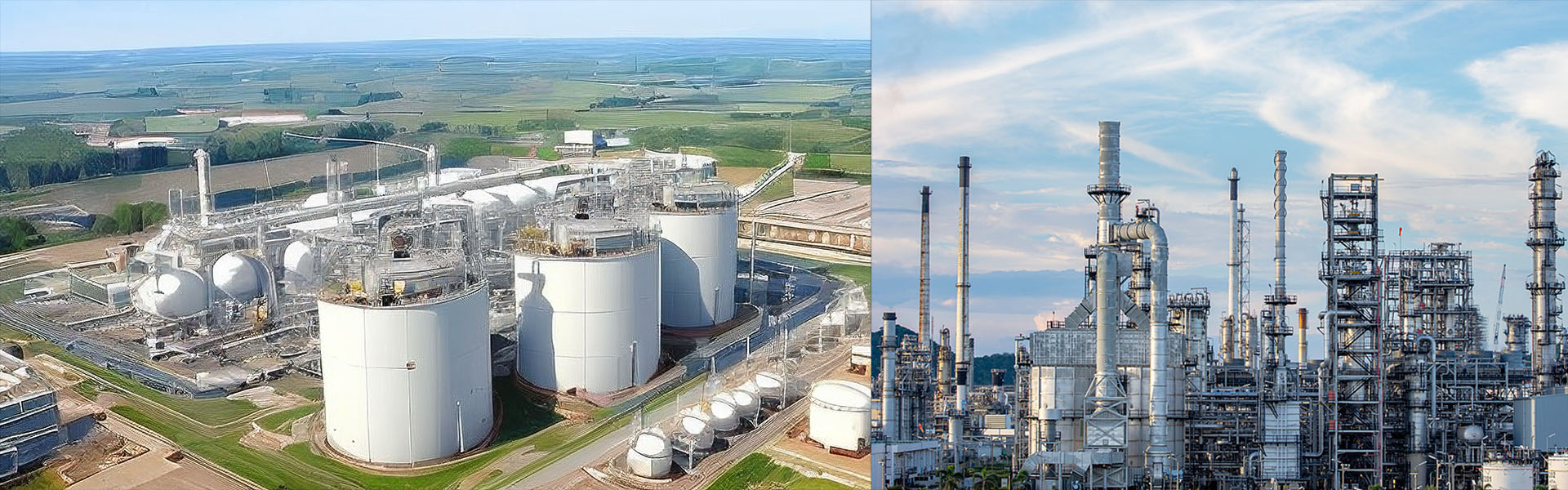
Chemical and petroleum: Used for preheating heavy oil, lubricating oil, diesel, asphalt, and other materials (reducing viscosity for easy transportation), as well as heating chemical materials.
Power and metallurgy: Used for heating raw water and process water in power plants, providing hot water for production and heating systems.
Gas heating: Heating air, nitrogen, and other gases for various processes such as drying, vulcanization, heat treatment, reheating, and dehumidification of various substances.
Special materials: Used for melting salts, alkalis, and low-melting-point alloys.
Anti-freezing and insulation: Commonly used to prevent water pipes or other fluid pipelines from freezing in winter, also often called anti-freezing heaters.
Selection and Usage Precautions
When selecting and using an in-line heater, the following points should be comprehensively considered:
Medium and working condition matching: Clearly define the type of material to be heated, initial temperature, target temperature, and flow rate. For corrosive media, corresponding corrosion-resistant materials must be selected.
Explosion-proof requirements: If used in hazardous places with explosive gases such as petroleum, natural gas, and chemical industries, explosion-proof in-line heaters (such as Ex d IIC T4 level) that comply with GB 3836 standards must be selected.
Safety interlock: For duct-type gas heaters, the electrical control must be interlocked with the fan. Be sure to follow the operation sequence of "start the fan first, then start the heater; cut off the heater first, then cut off the fan" to prevent dry burning of the equipment.
Compliance and certification: When purchasing, check the supplier's qualifications to ensure that the product meets relevant national or industry standards (such as JB/T 2379) and has complete explosion-proof certificates and ISO quality system certification.