
Pipeline Heater
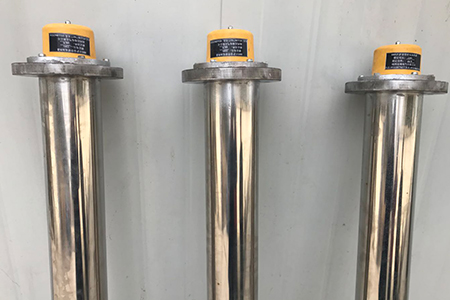
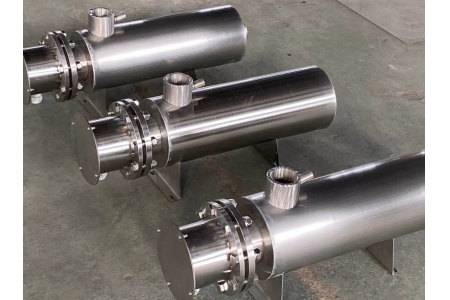
A pipeline heater, also often referred to as an inline heater or line heater, is an electric heating device used for continuously heating gas or liquid media flowing through a pipeline. It efficiently converts electrical energy into thermal energy, allowing the flowing medium to reach the process-required temperature in a very short time. It is key equipment in many industrial fields such as chemical, petroleum, power, food, and pharmaceutical industries to ensure stable process temperatures.
Core Working Principle
The core principle of a pipeline heater is the Joule heating effect. Its working process can be broken down into the following three steps:
Electrical Energy Conversion: Current passes through high-resistance alloy heating wires (such as nickel-chromium alloy) inside the heater, converting electrical energy into thermal energy.
Heat Conduction: The heating wire is enclosed in a metal sheath tube, and the gaps inside the tube are tightly filled with crystalline magnesium oxide powder that has excellent insulation and thermal conductivity. Heat is rapidly and uniformly conducted through the magnesium oxide powder to the metal tube wall.
Heat Exchange: The fluid to be heated (gas or liquid) flows through the heater shell under pressure. Baffles are usually installed inside the shell to guide the fluid along a specific path, allowing it to fully and uniformly absorb the heat transferred from the tube wall, ultimately exiting from the outlet at the target temperature.
The entire process is controlled by an intelligent control system (such as a PLC or microcontroller) that automatically adjusts the heating power based on feedback from the outlet temperature sensor, achieving precise temperature control and over-temperature protection.
Main Structural Components
A typical pipeline heater mainly consists of the following parts:
Heating Element: The core component, composed of a metal sheath tube, high-temperature resistance wire, and magnesium oxide powder filling, can be used singly or in multiple combinations.
Shell: A pressure vessel that houses the heating elements and the medium, usually made of corrosion-resistant materials such as stainless steel.
Baffles: Installed inside the shell to change the direction of the medium flow, extend the heat exchange path, ensure uniform heating, and avoid local overheating.
Control System: Includes temperature sensors, controllers, silicon-controlled rectifier (SCR) power regulators, circuit breakers, and multiple safety protection devices (such as independent over-temperature protectors, flow interlock switches, etc.).
Insulation Layer: Wrapped around the outside of the shell to reduce heat loss, improve thermal efficiency, and ensure operator safety. Main Classifications
Pipeline heaters can be classified based on different dimensions:
Table
Download as Table
Export as Image
Classification Dimension Type Features and Applications
By Heating Medium Gas Pipeline Heater Heats air, nitrogen, ammonia, etc., with fast temperature rise, commonly used for drying and hot air blowing.
Liquid Pipeline Heater Heats water, thermal oil, asphalt, chemical solutions, etc., requiring consideration of the medium's specific heat capacity and fluidity.
By Heating Method Resistance Heater The most mainstream type, i.e., the heater based on the Joule heating effect described above, with mature technology and wide application.
Electromagnetic Induction Heater Uses electromagnetic induction to generate eddy currents in the pipe wall for heating, providing uniform heating without open flames, suitable for flammable and explosive environments.
By Installation Form Flange Type / Plug Type Directly inserted into pipes or vessels, suitable for immersion heating.
External Tracing Type Such as heating hoses or heating tapes, wrapped around the outside of the pipe, mainly used for freeze protection or gentle heating.
Safety Operation and Maintenance Points
Correct use and maintenance are key to ensuring the long-term stable and safe operation of pipeline heaters.
Operating Procedures
Start/Stop Sequence: Strictly follow the principle of "first supply the medium, then power on; first power off, then stop the medium." Before startup, confirm that the medium flow rate reaches more than 80% of the rated value, and never allow dry heating.
Electrical Safety: The equipment must be reliably grounded. Before startup, measure the insulation resistance with a megohmmeter; it should generally not be less than 2MΩ. If damp, dry it before use.
Operational Monitoring: Regularly check the outlet temperature and whether the three-phase current is balanced, and pay attention to the status of the temperature control probe.
Maintenance
Regular Descaling: When heating liquids, scale tends to form on the surface of the heating tubes, leading to reduced thermal efficiency or even local overheating and burnout. It is recommended to inspect and clean every 1-3 months.
Check Seals: Monthly check the sealing gaskets at flanges, junction boxes, and other parts. Replace them promptly if aging or leakage is found to prevent media or moisture ingress.
Winter Protection: For outdoor equipment during long shutdowns in winter, drain any residual liquid inside to prevent freezing and cracking.
Common Faults and Troubleshooting
Table
Download as Table
Export as Image
Fault Symptom Possible Causes Handling Suggestions
No heating or slow temperature rise Power phase loss, heating tube open circuit, no medium flow, temperature controller malfunction Check the circuit, measure the heating tube resistance, confirm the pump and valve status, calibrate the temperature controller
Over-temperature trip / leakage Insulation breakdown of heating tube, water ingress in junction box, dry heating damage Measure insulation resistance, dry and seal the junction box, replace damaged heating tubes
Unbalanced three-phase current One heating tube is open circuit or has abnormal resistance, loose terminal connections Measure the resistance of each phase separately; if deviation exceeds ±10%, replace; tighten all terminal connections
Flange/joint leakage Aging sealing gasket, bolts not evenly tightened Replace with temperature and pressure resistant gaskets, tighten bolts in a diagonal sequence in steps
Selection and Manufacturer Considerations
When selecting a pipeline heater and supplier, it is recommended to evaluate comprehensively from the following dimensions:
Safety Compliance: For flammable and explosive environments such as chemical and petroleum industries, explosion-proof certification is the primary condition. Priority should be given to manufacturers whose products comply with the GB 3836 series explosion-proof standards and have testing reports from authoritative institutions and complete system certifications (such as ISO 9001/14001/45001).
Technical Strength and Customization Capability: Examine the manufacturer's number of patents (especially invention patents), R&D team experience, and whether they can provide non-standard customized solutions based on your specific medium, pressure, temperature, installation space, and other requirements.
Quality Control and Delivery: Understand whether they implement strict factory inspection processes for all products and whether core performance parameters are traceable. Also, evaluate their delivery cycle and capability to deliver complete systems (heater + electrical control cabinet).
After-sales Service System: Pay attention to the warranty period (especially for core heating elements), response speed, spare parts supply, and whether they provide operation and maintenance training and other full lifecycle services.