
Heating Cable
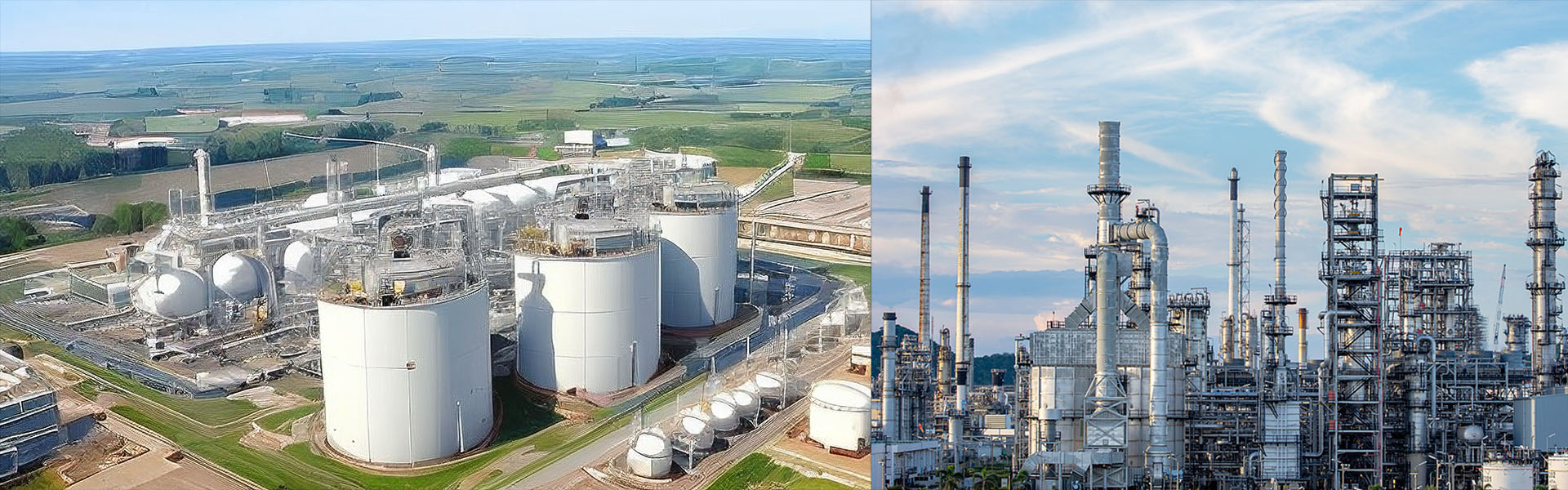
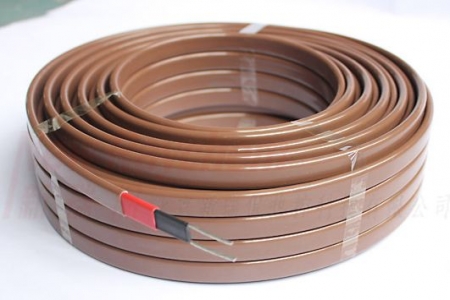
Heating cable (also known as electric heat tracing tape or electric heat tracing cable) is an electric heating product used for thermal insulation, freeze protection, and process heating of pipelines, storage tanks, equipment, etc. It is widely applied in petrochemical, electric power, construction, metallurgy, and other fields. Its core working principle is based on the PTC (Positive Temperature Coefficient) effect or resistance wire heating, which can automatically adjust the heating power according to the ambient temperature to achieve intelligent temperature control.
Working Principle
Heating cables have different working principles depending on the type:
Self-limiting type (PTC effect): A core tape made of PTC semiconductor material is extruded between two parallel metal bus wires. When energized, current flows laterally through the PTC material layer to generate heat; when the core tape temperature rises to the high-resistance zone, the resistance increases sharply to almost block the current, thereby achieving automatic temperature limitation. When the temperature drops, the resistance automatically recovers, and the power increases accordingly, forming a "self-regulating" closed loop.
Constant power type: Uses alloy heating wire as the heat source, producing constant power output through a fixed resistance value, requiring an external thermostat.
MI mineral insulated type: Uses alloy heating wire as the heat source, high-purity magnesium oxide as the thermal conductive insulator, and seamless metal tube as the sheath. It has an inorganic material structure, resistant to high temperature, explosion-proof, and non-aging.
Main Classification
Table
Download as Table
Export as Image
Type Working Principle Core Features Typical Applications
Self-limiting Electric Heat Tracing PTC positive temperature coefficient effect Automatic temperature control, can be cut to any length, allows cross-overlapping Water pipe freeze protection, building floor heating, ordinary pipeline insulation
Constant Power Electric Heat Tracing Alloy resistance wire constant heating Constant power, cannot be cut, cannot be cross-overlapped Long-distance pipelines, process temperature maintenance
MI Mineral Insulated Heating Cable Alloy wire + magnesium oxide insulation + metal sheath Temperature resistance up to 600°C, explosion-proof and fire-resistant, extremely long lifespan High-temperature industrial pipelines, explosion-proof areas, oil well heating
Product Structure
Taking self-limiting electric heat tracing as an example, from the inside out:
Conductive core tape: PTC semiconductor heating material, sandwiched between two parallel metal bus wires
Metal bus wires: Parallel copper conductors, providing a current path
Insulation layer: Polyolefin or fluorinated polyolefin material
Metal shielding layer: Tinned soft round copper wire braided mesh, providing grounding protection and mechanical protection
Outer jacket: PVC, PTFE, or low smoke zero halogen material, anti-corrosion, anti-ultraviolet
The structure of MI heating cable is simpler: alloy heating wire → magnesium oxide insulation filler → seamless metal sheath (stainless steel/copper/copper-nickel alloy).
Main Technical Parameters
Table
Download as Table
Export as Image
Item Parameter Range
Rated Voltage AC 12V/24V/36V/110V/220V/380V, DC 12V/24V
Power Density 10~60W/m (high-power models can reach above 80W/m)
Temperature Class Low temperature type (-20°C~65°C), medium temperature type (-40°C~105°C), high temperature type (-60°C~205°C)
MI Cable Temperature Resistance Copper sheath 250°C, copper-nickel alloy sheath 400°C, stainless steel sheath 600°C
Insulation Resistance Ordinary type ≥50MΩ, MI type ≥1000MΩ/1000V
Withstand Voltage 1500VAC/1min
Protection Class IP65, IP67, explosion-proof class Exd II CT4~T6
Maximum Single Length Usually not exceeding 20~30 meters at 220V (self-limiting type)
Selection Key Points
Selection needs to comprehensively consider the following factors:
Application scenario: Explosion-proof areas use constant power or MI type; ordinary water pipe freeze protection uses self-limiting type; high-temperature industrial pipelines use MI type
Temperature requirements: Choose low/medium/high temperature class according to the maintenance temperature
Installation conditions: Areas with many bends or requiring cross-overlapping must use self-limiting type, and constant power type is strictly prohibited
Environmental factors: Corrosive acid, alkali, oil environments use corrosion-resistant jacket; crowded places use flame-retardant or fire-resistant type
Power supply conditions: If the line exceeds 50~100 meters, calculate voltage drop and appropriately upgrade the wire gauge
Power matching: Calculate the required power density based on pipe diameter, insulation thickness, and ambient temperature
Installation Precautions
Self-limiting type can be cut to any length, allows local cross-overlapping, and will not overheat and burn out
Constant power type cannot be cut or cross-overlapped, and must be installed strictly according to the designed length
Heating cables must have a reliable grounding shielding layer; the outer diameter of cables for radiant floor heating should not be less than 5mm
Cold and hot wire joints should be connected at the factory using special equipment and processes, and simple on-site connection is strictly prohibited
The laying spacing should not be less than 100mm, and the distance from the inner surface of the exterior wall should not be less than 100mm
The bending radius of MI cables should not be less than 6 times the cable outer diameter
Each room or circuit should be independently equipped with a thermostat, and the power of a single circuit should not exceed the rated working current of the thermostat
Executive Standards
Table
Download as Table
Export as Image
Standard Number Name
IEC 800 Heating cables for residential facilities heating and anti-icing with rated voltage 300/500V (International)
GB/T 20841-2025 Heating cables for residential facilities heating and anti-icing with rated voltage up to and including 300/500V (implemented on May 1, 2026)
BS 6351 Industrial grade self-regulating heating cable standard (UK)
Application Fields
Table
Download as Table
Export as Image
Field Typical Uses
Petrochemical Oil pipeline heat tracing and insulation, storage tank freeze protection, valve and pump body heating
Electric Power Instrument pipeline freeze protection, desulfurization pipeline insulation
Construction Floor radiant heating, roof snow melting, pipeline freeze protection
Metallurgy High-temperature process pipeline heating
Oil Extraction Oil well heating to reduce viscosity (deep wells use self-regulating heating cables)
Food and Pharmaceutical Process pipeline temperature maintenance
Development Trends
High temperature: Domestic self-limiting electric heat tracing has achieved mass production of 260°C temperature resistance class (2025)
Intelligent: Integrated with sensing optical fiber and thermocouple wires, achieving integrated heating and temperature measurement
Redundant design: New cables have built-in formal + backup dual heating elements, which can automatically switch in case of failure to avoid heating interruption
Domestic substitution: Key materials such as polymer PTC materials and high-temperature grade polymers have gradually achieved domestic substitution