
Heating Cable
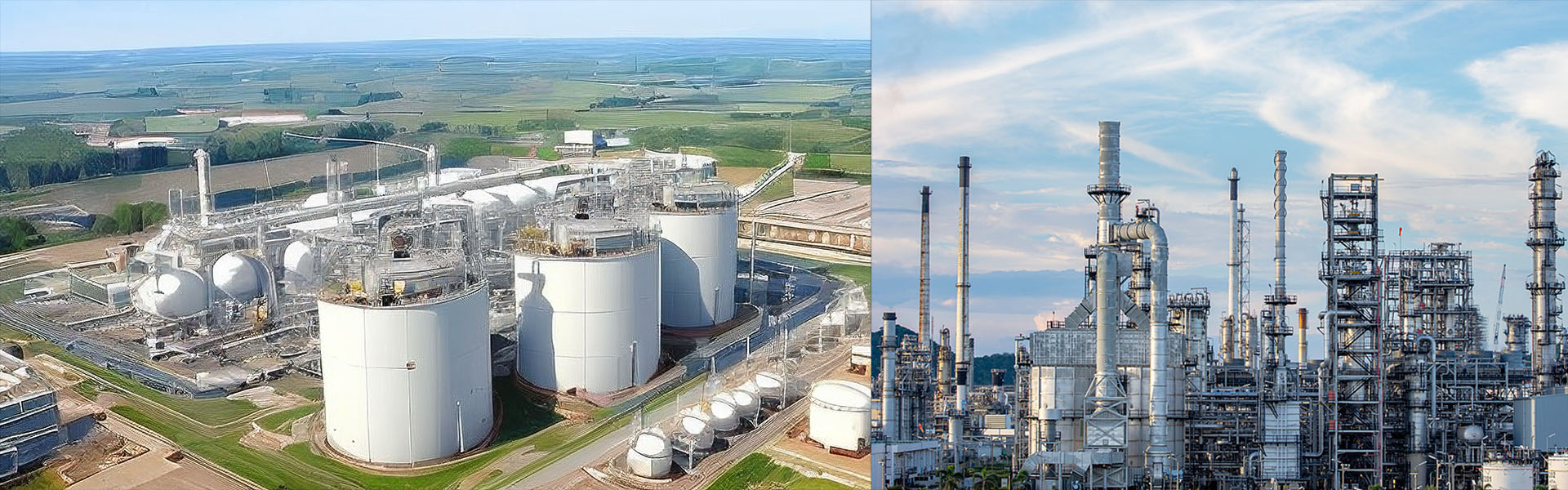
Heating cable (also known as electric heat tracing cable, electric heating cable) is a special cable that converts electrical energy into thermal energy, used for insulation and freeze protection, process temperature maintenance, or comfort heating on the surfaces of pipelines, storage tanks, equipment, etc. It is not an ordinary power cable, but a dedicated electric heating product integrating heating, insulation, shielding, and protection, widely used in petrochemical, power, construction, food and pharmaceutical, and other fields.
Working Principle
The core principle of heating cable is the Joule heating effect—current passes through a resistive conductor to generate heat, and the heat is conducted through the insulation layer and sheath to the surface of the object being heated. Different types of heating cables differ in temperature control methods:
Self-regulating type: Based on the PTC (positive temperature coefficient) effect, the core strip resistance increases sharply with rising temperature, automatically limiting the heating power, achieving "higher temperature, lower power" self-regulation without the need for an external thermostat
Constant power type: The heating power remains constant and requires a thermostat for use, suitable for industrial scenarios requiring precise temperature control
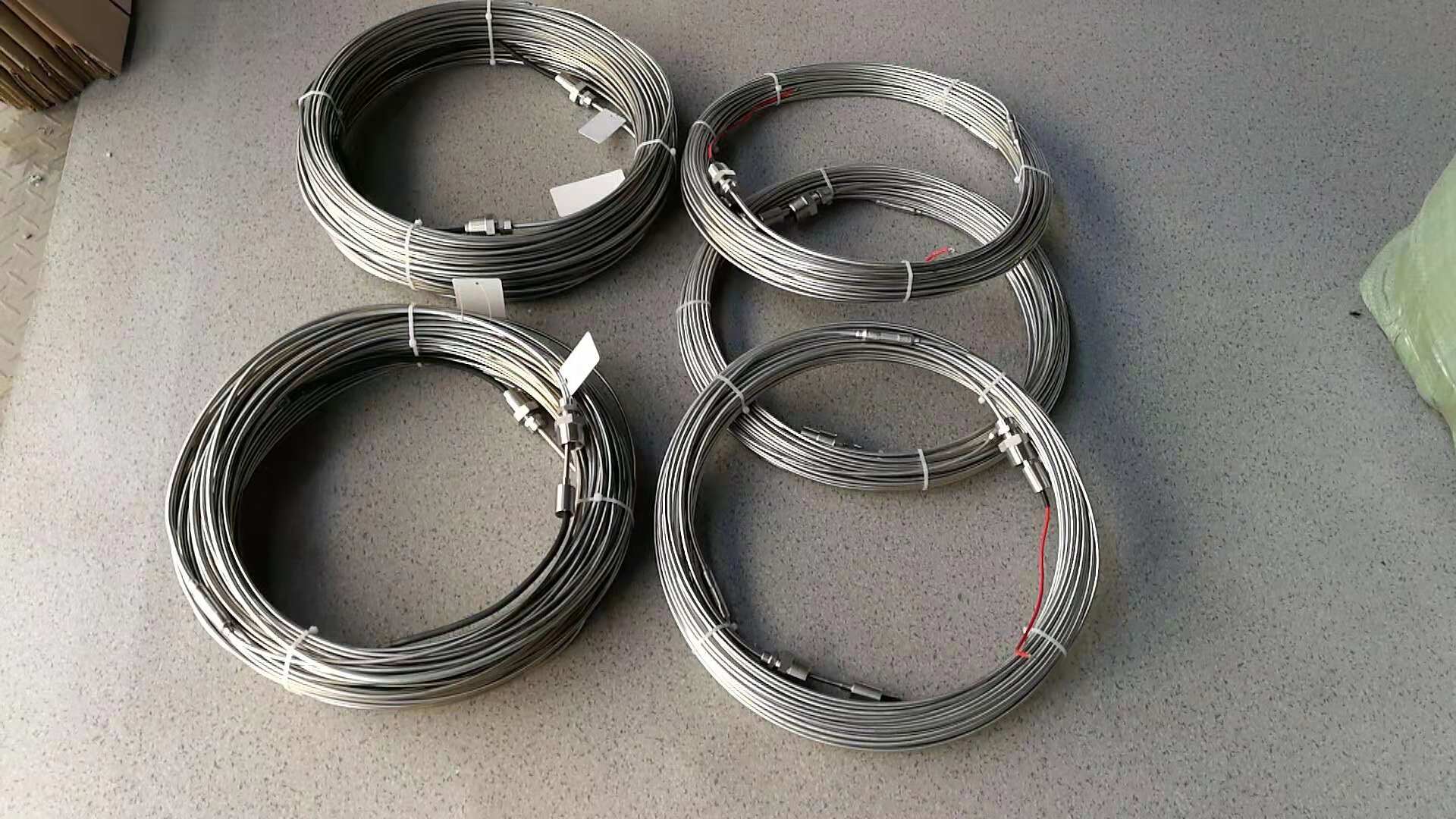
Mineral insulated type (MI): Metal sheath + magnesium oxide insulation + alloy heating wire, resistant to high temperatures, explosion-proof, high mechanical strength, suitable for extreme working conditions
Type Temperature Control Method Operating Temperature Features Typical Applications
Self-regulating heat tracing cable PTC self-regulation Low temperature type ≤65℃, medium temperature type ≤105℃, high temperature type ≤205℃ Can be cut to any length, allows crossing and overlapping, automatic temperature limiting Water pipe freeze protection, roof snow melting, general pipeline insulation
Constant power heat tracing cable Constant power, requires thermostat Medium temperature type ≤150℃, high temperature type ≤250℃ Uniform power, no crossing or overlapping, no arbitrary cutting Chemical pipeline process temperature maintenance, storage tank heat tracing
MI mineral insulated heating cable Constant power, requires thermostat 250℃~600℃ (up to 1000℃ in special cases) High temperature resistance, explosion-proof, corrosion resistant, high mechanical strength High temperature industrial pipelines, nuclear power plants, oil and gas wells
Structural Composition
Heating cables typically consist of the following layers from inside to outside:
Heating core PTC polymer material / nickel-chromium alloy wire / carbon fiber Converts electrical energy into thermal energy
Conductive bus wire Tinned copper wire Provides current path for the heating core (self-regulating type)
Insulation layer FEP/PTFE fluoroplastic, silicone rubber, magnesium oxide powder Electrical insulation, isolating the heating core from the outside
Shielding layer Tinned copper braided mesh / aluminum foil Grounding protection, electromagnetic shielding
Outer sheath PVC, polyolefin, fluoropolymer, stainless steel Waterproof, corrosion resistant, mechanical damage resistant
Rated voltage AC 12V / 24V / 36V / 110V / 220V / 380V, DC 12V / 24V
Power density 10~60W/m (conventional), above 80W/m (high power type)
Operating temperature range -60℃~205℃ (self-regulating/constant power), 250℃~600℃ (MI type)
Insulation resistance ≥50MΩ at room temperature (conventional), ≥1000MΩ/1000V (MI type)
Explosion-proof grade Ex ib IIB T4 Gb (intrinsically safe type) / Ex d IIB T4 Gb (flameproof type)
Protection rating IP65 / IP67
Maximum single length Usually no more than 20~30 meters at 220V (self-regulating type), MI type can reach over 500 meters
Bending radius MI type ≤6 times cable outer diameter
Selection Key Points
Clarify the application scenario
Freeze protection and insulation (water pipes, fire pipes, roof snow melting) → Self-regulating type, simple installation, no thermostat needed
Process temperature maintenance (chemical pipelines, reactors, storage tanks) → Constant power type, with thermostat for precise temperature control
High temperature/explosion-proof/extreme conditions (oil and gas wells, nuclear power plants, high temperature pipelines) → MI mineral insulated type
Key parameter matching
Operating temperature range: Determine the temperature grade based on the medium maintenance temperature and minimum ambient temperature
Power density (W/m): Must match the calculated pipeline heat loss value; too low leads to insulation failure, too high easily causes burnout or accelerated aging
Explosion-proof certification: A mandatory threshold for petrochemical projects, need to confirm Ex ib or Ex d grade
Outer sheath material: Choose polyolefin for general environments, fluoropolymer (FEP/PFA) for strong acid and alkali environments, stainless steel braided layer for high mechanical protection
Installation constraints
Self-regulating type can be cut to any length, allows crossing and overlapping, flexible installation
Constant power type prohibits crossing and overlapping, and cannot be cut arbitrarily
MI type bending radius ≤6 times outer diameter, requires special tools for bending
Petrochemical Long-distance pipeline freeze protection, valve group heat tracing, storage tank insulation, LNG low-temperature flange brittle fracture prevention
Power Desulfurization system slurry pipeline insulation, instrument impulse line heat tracing
Building heating Electric floor heating, roof snow melting, ramp de-icing, fire water pipe freeze protection
Food and pharmaceutical Clean area pipeline temperature control, conveying pipeline insulation
Oil and gas extraction Heavy oil thermal recovery downhole heating, oil well sucker rod heat tracing
New energy Solar pipeline freeze protection, battery thermal management
Marine Ship fuel pipeline heat tracing, offshore platform condensate recovery system
Standards
GB/T 20841-2025: Heating cables for domestic facilities heating and anti-icing with rated voltage 300/500V and below (identical to IEC 60800:2021, implemented on May 1, 2026)
IEC 60800:2021: International standard for heating cables for domestic facilities heating and anti-icing
IEC 62395-2:2018: Standard for industrial electric heat tracing systems
GB 3836: Explosion-proof standards for electrical equipment for explosive atmospheres
IEC 800 (92): General standard for heating cables
Development Trends
Intelligentization: Integrated RS485/LoRa communication interfaces, real-time upload of temperature, leakage current, and wire break status to BAS systems, enabling remote monitoring and intelligent early warning
High temperature: Self-regulating type has achieved mass production of 260℃ temperature rating, MI type continues to expand to higher temperatures
Integration: Heating and temperature measurement functions integrated into the same cable, reducing the number of conduit penetrations, improving safety
Domestic substitution: Key materials such as polymer PTC materials and high-temperature grade polymers are gradually achieving domestic production