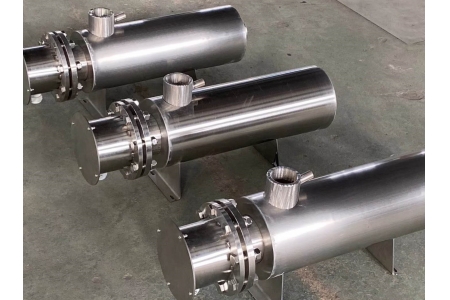

Explosion-proof Electric Heater
An explosion-proof electric heater is an industrial heating device specifically designed for hazardous environments where flammable gases, vapors, or dust are present. It converts electrical energy into heat to raise, maintain, or heat flowing liquid or gaseous media. It is an indispensable key equipment in high-risk industries such as chemical, petroleum, military, natural gas, mining, and marine applications.
I. Core Working Principle and Explosion-proof Mechanism
Explosion-proof electric heaters not only have conventional heating functions but also incorporate special safety designs:
Fluid Thermodynamic Heating: Low-temperature fluid media enters the heater under pressure, flows along internal specific heat exchange channels, and uses fluid thermodynamic principles to evenly remove the high-temperature heat generated by electric heating elements, raising the media temperature to process requirements.
Intelligent Temperature Control and Interlock Protection: The internal control system automatically adjusts output power based on outlet temperature sensor signals to achieve precise temperature control. When the heating element overheats or liquid level is low, an independent overheat protection device immediately cuts off power to prevent material coking, carbonization, or element burnout.
Flameproof Explosion-proof Design: The core explosion-proof measure lies in the flameproof device inside the junction box. The flameproof enclosure made of high-strength metal can withstand internal explosion pressure, and the gap between the enclosure and internal electrical components is strictly controlled to ensure that explosion flames are cooled when passing through the gap, thereby eliminating the risk of igniting the external environment.
II. Main Technical Features
Modern explosion-proof electric heaters have the following significant advantages in design and manufacturing:
Safety Compliance: The enclosure complies with GB3836 series explosion-proof standards, with protection ratings typically reaching IP65 or IP66, providing strong waterproof, dustproof, and high-pressure resistance.
High Efficiency and Energy Saving: High electrothermal conversion efficiency (usually ≥95%, some can reach nearly 100%), and closed-loop heat supply reduces heat loss.
High Automation: Supports PID stepless temperature adjustment, can communicate with DCS systems, PLCs, or host computers for remote monitoring and unattended automatic operation.
Compact Structure: Small size, high heating power (single unit max power up to 3000kW), relatively easy installation and maintenance.
III. Core Application Scenarios
Explosion-proof electric heaters are widely used in various high-risk industrial fields:
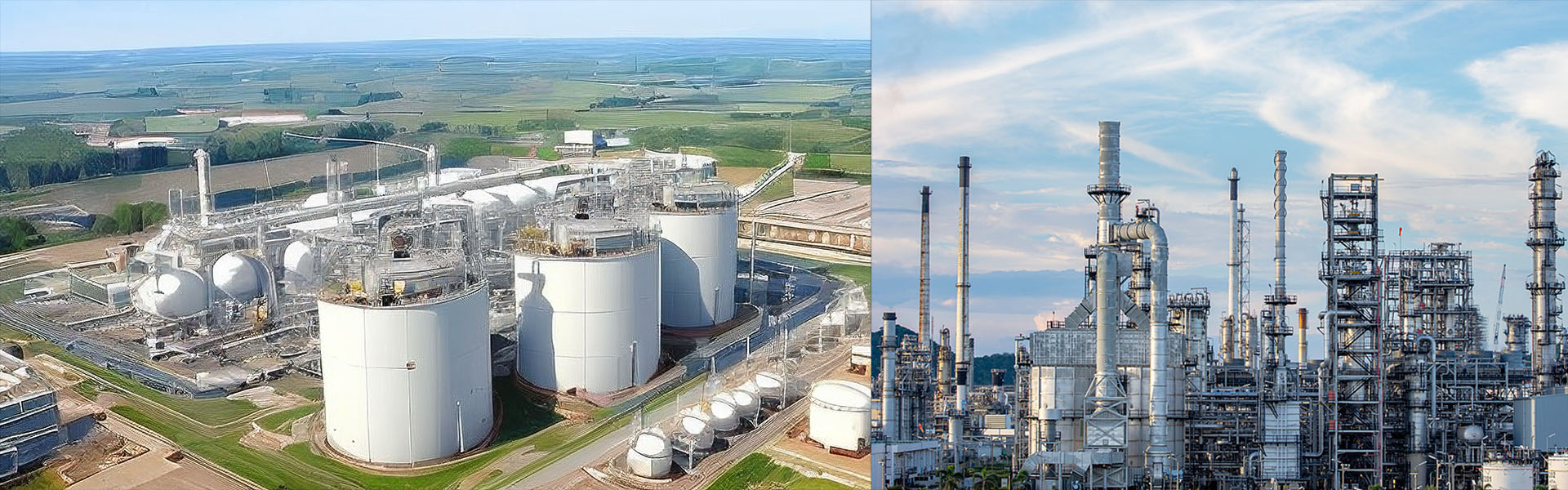
Petrochemical and Natural Gas: Used for heating hydrocarbons (such as crude oil, heavy oil, fuel oil, heat transfer oil, paraffin, etc.), and for paraffin removal and viscosity reduction in high-pour-point viscous oil wells and oil pipelines.
Chemical and Pharmaceutical: Heating chemical materials, powder drying, reactor insulation, and heating process water, superheated steam, molten salt, and other fluids.
Special and High-risk Environments: Underground coal mines (Class I explosion-proof), offshore oil platforms, ships, aerospace, military, and places with combustible dust such as grain storage and metal processing.
IV. Selection and Usage Precautions
Strictly Match Explosion-proof Class: When selecting, it must match the hazardous area classification (e.g., Zone 1, Zone 2, or Zone 21, Zone 22), explosive gas classification (IIA, IIB, IIC), and temperature class (T1~T4), and ensure the equipment has obtained the national explosion-proof certificate.
Standard Installation Requirements: For flange-insertion heaters, ensure the heating part is immersed at least 50mm into the medium to be heated, and the 100mm range near the flange surface is the non-heating part to control surface temperature within a safe range.
System Interlock Configuration: As a core component, the explosion-proof electric heater must be used with temperature interlock control protection devices such as thermocouples to ensure safe shutdown under abnormal conditions.
Inspect Manufacturer Qualifications: When purchasing, focus on the manufacturer's technical qualifications (such as explosion-proof certificate, ISO certification, etc.), production process maturity, and after-sales response capability, and prioritize source manufacturers to ensure equipment safety and compliance.