
Explosion-proof Electric Heater
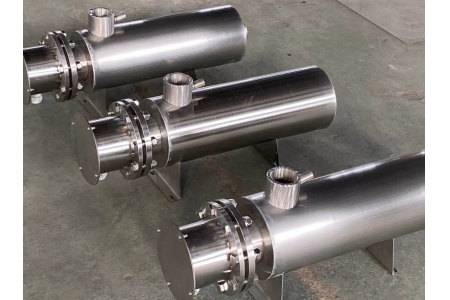
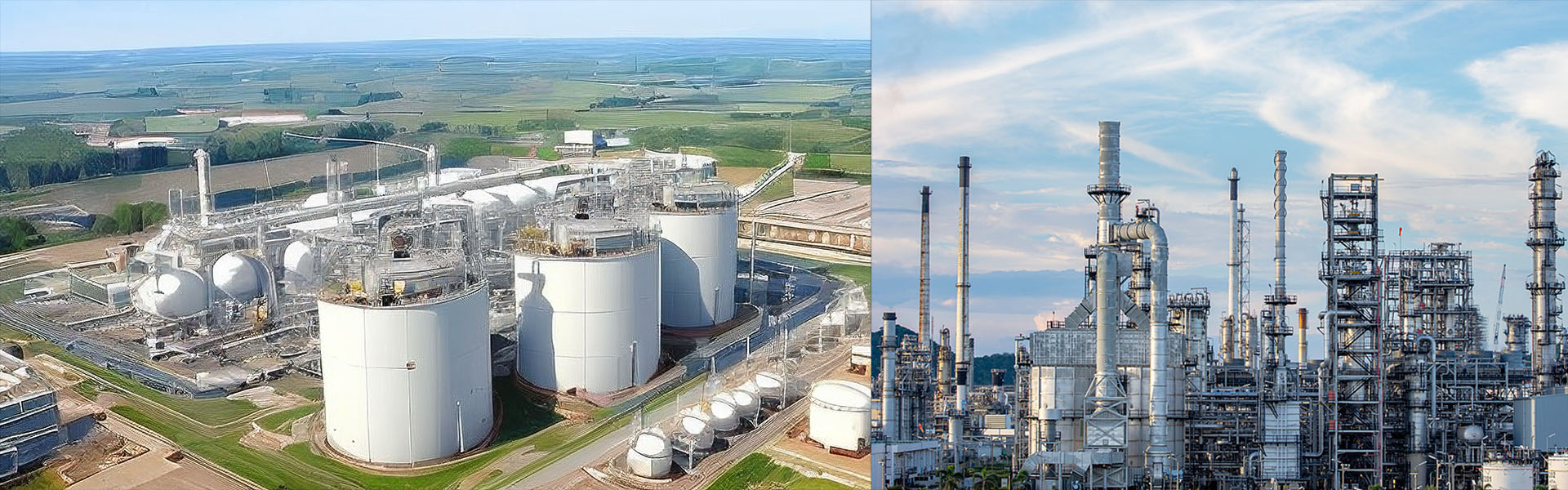
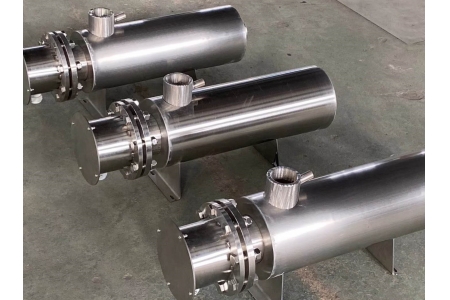
An explosion-proof electric heater is an electric heating device specifically designed for flammable and explosive hazardous environments, converting electrical energy into heat. It is widely used in places with explosive gases or vapors, such as chemical, petroleum, natural gas, military, shipbuilding, and mining areas.
Working Principle
The working process of an explosion-proof electric heater includes two core aspects: heating and explosion-proofing.
Heating Process: Low-temperature fluid media enters the heater inlet through pipes under pressure, flows along the internal specific heat exchange channels, and carries away the high-temperature heat energy generated by the electric heating elements during operation, raising the media temperature. The high-temperature media meeting process requirements is obtained from the outlet. The internal control system automatically adjusts the output power based on the outlet temperature sensor signal through PID calculation, achieving precise temperature control.
Explosion-proof Principle: An explosion-proof device is installed inside the junction box, which can effectively isolate or eliminate potential internal electric sparks, preventing them from igniting flammable or explosive gases or dust in the external environment, thereby eliminating explosion hazards.
Safety Interlock: When the heating element overheats or the liquid level is low, an independent interlock protection device immediately cuts off the heating power supply, preventing material coking, deterioration, carbonization, or element burnout.
Main Features
High Efficiency and Energy Saving: Thermal efficiency is close to 100%, with 99% of the heat generated by electrical energy transferable to the heating medium.
Compact Size and High Power: Compact structure, easy installation, with a maximum single-unit power of up to 3000kW.
High Temperature Control Accuracy: Up to ±0.2°C, supporting fully automatic operation with DCS systems.
High Explosion-proof Rating: Up to ExdⅡCT4/T6, with pressure resistance up to 20MPa and protection rating IP66.
High Heating Temperature: Design working temperature typically up to 720°C, with some models reaching up to 850°C.
Multiple Safety Protections: Equipped with over-temperature protection, low liquid level/dry heating protection, pressure/flow interlock control.
Product Types
Table
Download as Table
Export as Image
Type Features Typical Applications
Explosion-proof Flange Electric Heating Tube (Insertion Type) U-shaped tubular electric heating element assembled with explosion-proof flange junction box, directly inserted into container liquid Water tanks, oil tanks, reaction towers, storage tank heating
Explosion-proof Electric Heating Rod Combination of explosion-proof electric heating tube and sleeve, heating core does not directly contact the medium, higher safety Oilfield storage tanks, heavy oil well gathering pipelines
Duct-type Explosion-proof Electric Heater Used for heating gas media such as air, nitrogen, etc. Chemical drying, gas preheating
Circulation-type Explosion-proof Electric Heater Medium is heated in a closed loop, with good temperature uniformity Heat transfer oil systems, molten salt heating
Explosion-proof Ratings and Applicable Areas
Explosive gas environments: Zone 1, Zone 2
Gas categories: Class ⅡA, ⅡB, ⅡC
Temperature groups: T1 to T4
Combustible dust environments: Zone 21, Zone 22
Typical Technical Parameters (using mainstream models as examples)
Table
Download as Table
Export as Image
Parameter Indicator
Rated Voltage 220V / 380V
Rated Power 1 to 3000kW (customizable)
Explosion-proof Marking Ex d ⅡB T4 Gb / Ex d ⅡC T4 Gb
Protection Rating IP66
Working Temperature Up to 720°C (special models 850°C)
Temperature Control Accuracy ±0.2°C
Electric-to-thermal Conversion Efficiency ≥95%
Pressure Resistance Up to 20MPa
Heating Element Material Stainless steel (304/316L)
Housing Material Cast aluminum alloy ZL102
Application Fields
Petrochemical: Heating of hydrocarbons such as crude oil, heavy oil, fuel oil, heat transfer oil, lubricating oil, paraffin, etc.
Chemical Industry: Material heating, powder drying, spray drying, reactor heating
Shipbuilding and Marine Engineering: Heating and insulation of engine rooms, oil tanks, pump rooms, chemical tanks, requiring certification from classification societies (CCS, DNV, LR, etc.)
Military and Mining: Dangerous places such as ammunition storage, mine heating
Others: Heating of process water, superheated steam, molten salt, nitrogen/air, water gas, and other fluid media
Selection Points
Explosion-proof Rating Matching: Select the corresponding explosion-proof rating based on the hazardous area classification (Zone 1/Zone 2) and gas category (ⅡA/ⅡB/ⅡC) at the site
Heating Medium: Clearly identify the type of medium to be heated (water, oil, gas, molten salt, etc.), and select the corresponding material and structural form
Power Calculation: Calculate the required heating power based on medium flow rate, inlet/outlet temperature difference, and specific heat capacity
Temperature Control Requirements: Determine whether functions such as DCS remote temperature control, multi-stage temperature control, and interlock protection are needed
Installation Method: Flange type, threaded type, insertion type, etc., must match the container interface dimensions
Certification Requirements: Ensure the product has obtained the complete explosion-proof certificate and complies with the GB 3836 series standards