
Explosion-proof electric heater
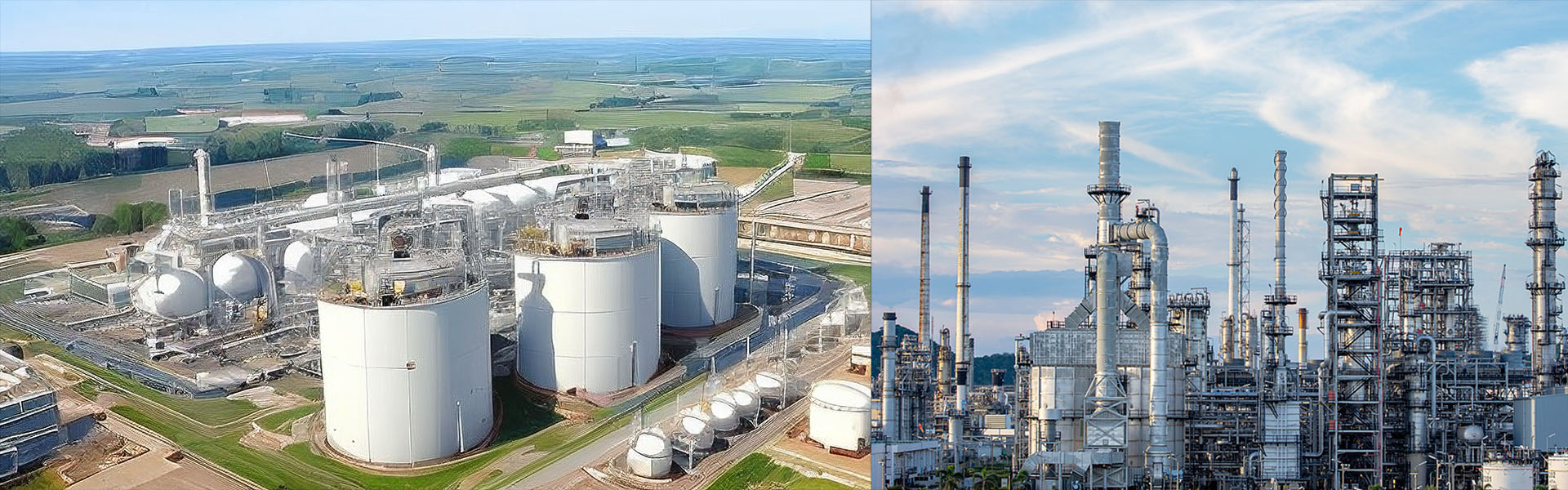
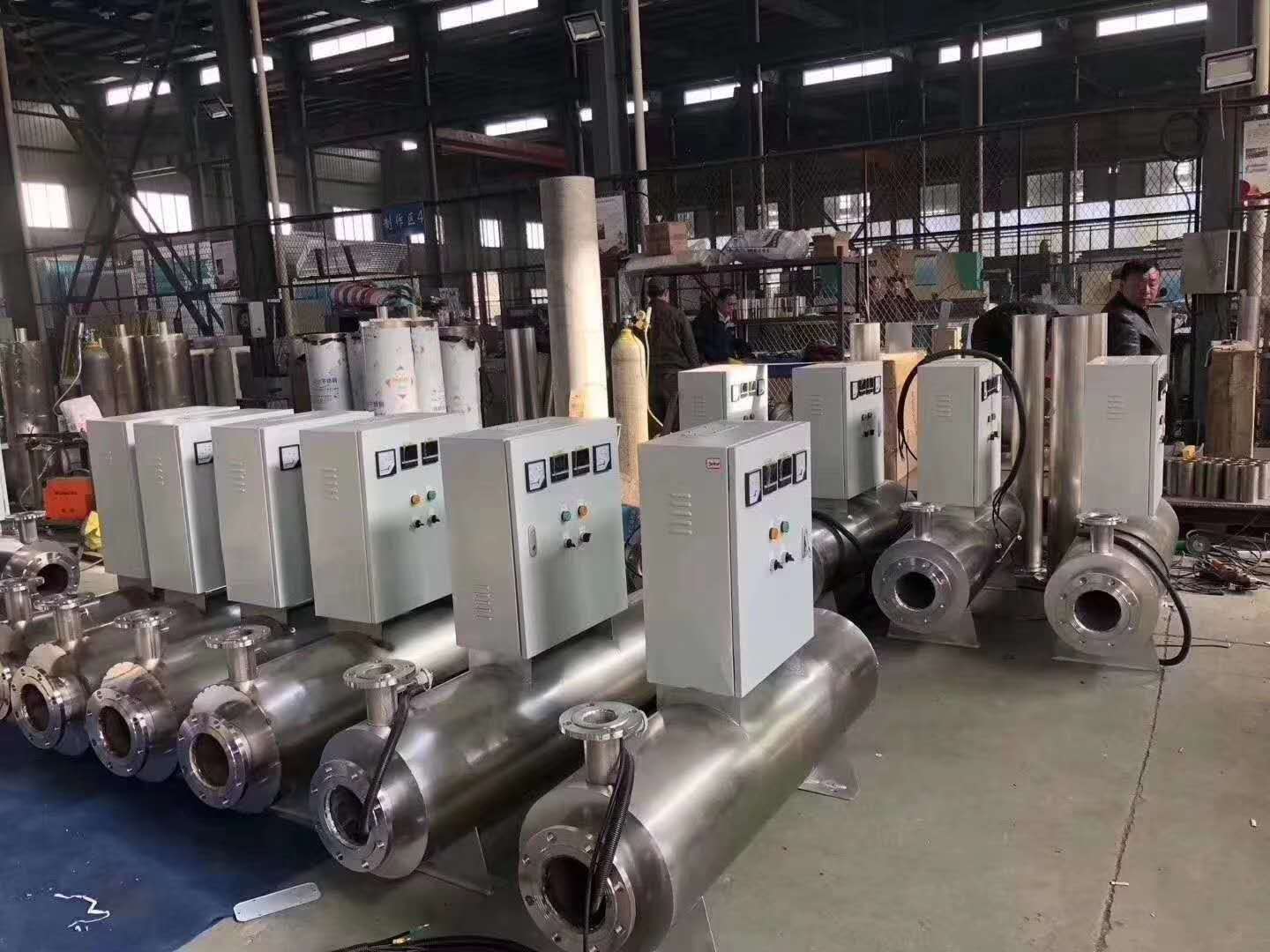
An explosion-proof electric heater is a specialized device that converts electrical energy into thermal energy, designed for hazardous environments containing explosive gases or vapors such as chemical, petroleum, military, natural gas, marine, and mining industries, ensuring safe operation in flammable and explosive locations.
Working Principle
The explosion-proof electric heater operates based on the thermal effect of electric current (Joule heating), converting electrical energy into thermal energy through heating elements such as resistance wires, to heat flowing liquid, gaseous, or solid media.
Heating process: Low-temperature fluid media enters the heater inlet through pipes under pressure, flows along internal specific heat exchange channels, absorbs the high-temperature thermal energy generated by the electric heating elements, raising the media temperature, and the outlet delivers high-temperature media meeting process requirements.
Temperature control mechanism: The internal control system automatically adjusts output power based on signals from the outlet temperature sensor, achieving precise temperature control (accuracy up to ±0.2°C), and supports interlocking with DCS systems for fully automated operation.
Explosion-proof principle: The core lies in the flameproof device installed in the junction box, which effectively isolates or eliminates potential internal electrical sparks, preventing ignition of flammable explosive gases or dust in the external environment.
Main Types
Table
Download as table
Export as image
Type Features Applicable Scenarios
Immersion explosion-proof electric heater Directly inserted into liquid media for heating, flange installation, compact structure Heating liquids in containers such as water tanks, oil tanks, reaction towers, storage tanks
Circulation type explosion-proof electric heater Media circulates and heats in a closed pipeline, used with circulation pumps Thermal oil systems, continuous heating of high-temperature fluids
Explosion-proof thermal oil heater Uses thermal oil as heat carrier, forced liquid-phase circulation heat transfer, good thermal stability Indirect heating for reactors, molds, drying rooms, hot rollers, etc.
Storage tank type explosion-proof electric heater Flexible structure, bendable and replaceable, low surface power load, no scaling Heat preservation of viscous/heat-sensitive liquids in large storage tanks, tank trucks, and sumps
Double protective tube type Inner and outer double-layer metal tubes with metal filler, higher explosion-proof performance High-temperature, high-pressure, and high-purity media applications in nuclear power, chemical industries
Core Features
High efficiency and energy saving: Thermal efficiency close to 100%, with 99% of heat from electrical energy transferable to the heating media
Compact size, high power: Compact structure, maximum single unit power up to 3000kW, easy installation
High heating temperature: Designed working temperature typically up to 720°C, some models up to 850°C
High explosion-proof rating: Explosion-proof marking up to Ex d ⅡB T4 Gb / Ex d ⅡC T4 Gb, suitable for Zone 1 and Zone 2 of ⅡA, ⅡB, ⅡC explosive gas atmospheres, and Zone 21, 22 of combustible dust atmospheres
High protection rating: Typical products have protection rating up to IP66, adapting to harsh conditions
Multiple safety protections: Equipped with over-temperature protection, low liquid level/dry heating protection, pressure/flow interlock monitoring, immediate power cut upon over-temperature
Intelligent control: Supports DCS remote operation, automatic adjustment of power, temperature, flow, and other parameters
Strong pressure resistance: Withstands pressure up to 20MPa
Main Application Fields
Petrochemical: Heating of hydrocarbons such as crude oil, heavy oil, fuel oil, thermal oil, lubricating oil, paraffin; chemical material heating, powder drying, spray drying
Natural gas and mining: Natural gas heating, explosion-proof heating in mining areas
Marine and ocean engineering: Engine rooms, oil tanks, pump rooms, chemical tanks, inert gas systems, for fuel/lubricating oil preheating, cargo oil tank heat preservation, ballast water heat tracing, etc. (requires classification society certifications such as CCS/DNV/LR)
Military and national defense: Special heating needs in aerospace and defense industries
Other industries: Pharmaceutical, food processing, printing and dyeing, textiles, asphalt heating, mold heating, etc.