
Explosion-proof Electric Heater
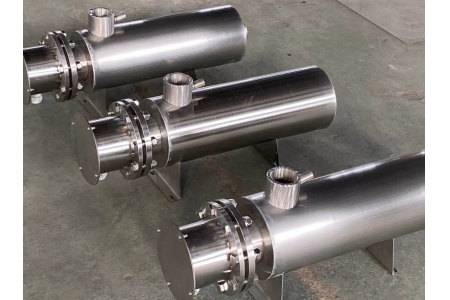
An explosion-proof electric heater is a specialized device that converts electrical energy into thermal energy, specifically designed for hazardous environments containing explosive gases or vapors in chemical, petroleum, military, natural gas, marine, and mining industries. It heats liquid, gaseous, or solid media through electrical energy, completing heating, insulation, and warming tasks without igniting surrounding explosive mixtures, making it core equipment in industrial heating scenarios in hazardous areas.
Working Principle
The working process of an explosion-proof electric heater includes two core aspects: heating and explosion-proofing.
Heating Process:
Low-temperature fluid media enters the heater inlet through pipes under pressure, flows along specific heat exchange channels inside the electric heating container, designed based on fluid thermodynamics principles, and absorbs the high-temperature thermal energy generated by the electric heating elements during operation, raising the temperature of the heated medium. The high-temperature medium meeting process requirements exits from the outlet. The internal control system automatically adjusts the output power of the electric heater based on the outlet temperature sensor signal, ensuring uniform and stable medium temperature.
Explosion-proof Principle:
The core lies in the flameproof device installed in the junction box—using a high-pressure-resistant explosion-proof enclosure (typically cast aluminum alloy ZL102 material). Even if the internal electric heating elements produce sparks, the flameproof structure completely seals the sparks within the housing, preventing them from igniting flammable explosive gases or dust in the external environment. Additionally, an independent overheat protection device is equipped; when the heating element exceeds the temperature limit, it immediately cuts off the heating power supply, preventing overheating of the heated material that could cause coking, deterioration, carbonization, or even element burnout.
Main Types
Table
Download as Table
Export as Image
Type Structural Features Typical Applications
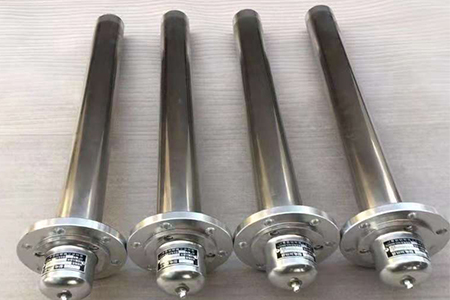
Immersion Explosion-proof Electric Heater Heating tube directly inserted into liquid in container, flange fixed Liquid heating in water tanks, oil tanks, reaction towers, storage tanks
Circulation Explosion-proof Electric Heater Medium flows through internal heat exchange channels in the heater via pipes Circulation heating systems for heat transfer oil, steam, molten salt, etc.
Storage Tank Explosion-proof Electric Heater Flexible heating elements, bendable and replaceable, no need to drain the tank Medium insulation and freeze protection in large storage tanks, tank trucks, and sumps
Explosion-proof Finned Tube Electric Heater Finned tube structure increases heat dissipation area, suitable for gas heating Internal heating of explosion-proof motors, air/nitrogen heating
Double Protection Tube Explosion-proof Electric Heater Inner and outer double-layer metal protection tubes + metal filler, stronger explosion-proof performance Scenarios requiring high temperature, high pressure, and high purity in nuclear power, chemical, etc.
Key Technical Parameters
Table
Download as Table
Export as Image
Parameter Typical Range
Rated Voltage 220V / 380V (three-phase)
Rated Power 1kW ~ 3000kW (single unit)
Maximum Working Temperature 720℃ (conventional), some models up to 850℃
Explosion-proof Rating Ex d ⅡB T4 Gb / Ex d ⅡC T4 Gb
Applicable Area Zone 1, Zone 2 (gas), Zone 21, Zone 22 (dust)
Applicable Gas Category ⅡA, ⅡB, ⅡC explosive gas atmospheres
Temperature Class T1 ~ T4
Protection Rating IP66
Pressure Resistance Up to 20MPa
Temperature Control Accuracy ±0.2℃
Thermal Efficiency Close to 100% (99% of electrical energy converted to heat can be transferred to the medium)
Inlet Thread G3/4 (typical)
Heating Element Material Stainless steel sheath + high-temperature resistant insulating adhesive pressure injection molded heating element
Control and Wiring Enclosure Cast aluminum alloy ZL102, high-speed shot blasting + high-voltage electrostatic powder spraying treatment
Core Features
High Efficiency and Energy Saving: Extremely high efficiency in converting electrical energy to thermal energy, heat concentrated for heating, thermal efficiency close to 100%
Compact Size, High Power: Compact structure, easy installation, single unit power up to 3000kW
High Temperature Control Accuracy: Supports DCS system fully automatic temperature control, accuracy up to ±0.2℃, can provide alarm signals for operation, high temperature, and faults to DCS system
Multiple Safety Protections: Equipped with over-temperature protection, low liquid level/dry heating protection, pressure/flow interlock control, and other multiple protection mechanisms
Wide Applicability: Can heat liquid, gaseous, or solid media, whether flowing or static, explosion-proof rating covers ⅡA~ⅡC
Environmentally Friendly: No harmful substances produced during heating, environmentally friendly
Long Service Life: Made of special electric heating materials, designed with low surface power load, resistant to high-pressure airflow impact
Typical Application Scenarios
Petrochemical: Heating and raising temperature of hydrocarbons such as crude oil, heavy oil, fuel oil, heat transfer oil, lubricating oil, paraffin, etc.
Chemical Production: Chemical processes such as material heating, powder drying, spray drying, reactor heating, etc.
Marine and Ocean Engineering: Preheating of fuel oil/lubricating oil in engine rooms, oil tanks, pump rooms, chemical tanks; insulation of cargo oil tanks; inert gas heating; heat tracing for ballast water treatment systems (must meet classification society certifications such as CCS, DNV, LR)
Military and National Defense: Medium heating in hazardous areas such as ammunition depots, propellant storage, etc.
Mining: Places with gas explosion risks such as underground coal mines
Power Industry: Transformer oil heating, boiler feedwater preheating
Food and Pharmaceutical: Material heating and drying in environments requiring explosion-proof measures
Implementation Standards
GB 3836 series: Electrical equipment for explosive atmospheres (core explosion-proof standard, equipment selection must comply with GB 3836.15—2024)
JB/T 7836.1-2026: Electric heaters for motors - Part 1: General technical specifications (effective from September 1, 2026)
JB/T 7836.3-2026: Electric heaters for motors - Part 3: Explosion-proof finned tube electric heaters (effective from September 1, 2026)
IECEx / ATEX: International explosion-proof certifications (such as KEMA 01ATEX2124X, etc.)
Selection Key Points
Explosion-proof Rating Matching: Select the corresponding explosion-proof rating based on the explosive gas category (ⅡA/ⅡB/ⅡC) and temperature class (T1~T4) of the usage site; downgrading is strictly prohibited
Medium Compatibility: Clearly identify the type of heating medium (water, oil, heat transfer oil, steam, gas, etc.), and select the corresponding material and structure of the heater
Power Calculation: Calculate the required heating power based on parameters such as medium flow rate, inlet/outlet temperature difference, specific heat capacity, etc., and reserve appropriate margin
Installation Method: Choose flange installation, threaded installation, or insertion installation based on the container structure, ensuring the heating part is immersed more than 50mm into the medium
Explosion-proof Certificate: Must obtain the complete machine explosion-proof certificate; using uncertified products is strictly prohibited
Interlock Protection: Must be used in conjunction with temperature interlock control protection devices such as thermocouples; cannot operate alone