
Explosion-proof Electric Heater
An explosion-proof electric heater is a special heating equipment designed for hazardous environments with explosive gases or dust, such as chemical, petroleum, natural gas, and military industries. Its core mission is to efficiently convert electrical energy into thermal energy while completely preventing the equipment itself from becoming an ignition source through special structural design, thereby ensuring production safety.
Core Explosion-proof Principle and Structure
The safety of an explosion-proof electric heater does not rely on a single component but is achieved through a systematic structural design:
Flameproof Enclosure (Ex d): This is the most critical explosion-proof measure. Components that may generate sparks or high temperatures, such as junction boxes and control boxes, are enclosed in specially designed flameproof enclosures. The enclosure has sufficient mechanical strength to withstand the pressure generated by an internal explosion without damage, and the gaps at its joints (such as flanges and threads) are precisely designed to fully cool the internal explosion flame and hot gas before they escape, ensuring they do not ignite the external explosive atmosphere.
Multiple Safety Interlocks: The equipment is generally equipped with multiple safety mechanisms such as over-temperature protection, low liquid level/dry heating protection, and pressure/flow monitoring. Once an abnormality is detected, the interlock system immediately cuts off the heating power, preventing safety accidents caused by material deterioration, element dry heating, or overpressure at the source.
High Protection Rating: The enclosure protection rating usually reaches IP66, effectively preventing dust ingress and strong water jets, suitable for harsh industrial environments.
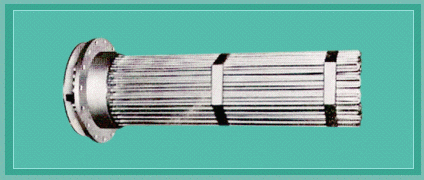
Advanced Electric Heating Elements: Some high-end products adopt double protective tube or metal filling technology. For example, magnesium oxide powder is filled between the heating wire and the outer tube, and an additional metal protective tube is added outside, with copper alloy or other metals filled in between. This design, even if the inner tube ruptures, can effectively wrap the insulating powder, absorb mechanical energy, prevent medium contamination and local overheating, greatly enhancing explosion-proof performance and service life in high-pressure and high-purity environments. Main Features
High Efficiency and Energy Saving: Electrical energy is almost 100% converted into thermal energy and transferred to the medium, with extremely high thermal efficiency, no combustion waste gas, and environmental friendliness without pollution.
Precise Temperature Control: With PID intelligent control system and temperature sensors, temperature control accuracy can reach ±0.2°C, supporting multi-stage program temperature control and linkage with DCS systems for fully automated unattended operation.
Strong Adaptability: It can heat liquid (such as heat transfer oil, heavy oil), gaseous (such as nitrogen, air), and solid media, with a wide working temperature range, generally up to 720°C, and special models up to 850°C.
Safe and Reliable: In addition to the above explosion-proof design, it also features high pressure resistance (some up to 20MPa), resistance to airflow impact, and high mechanical strength, ensuring long-term stable operation in hazardous environments.
Interpretation of Key Explosion-proof Markings
When selecting, the explosion-proof marking is key to determining the applicable environment of the equipment. For example: Ex d IIC T4 Gb
Table
Download as Table
Export as Image
Marking Part Meaning Description
Ex Explosion-proof Certification Indicates the product has passed the certification of the National Explosion-proof Electrical Equipment Quality Supervision and Inspection Center.
d Explosion-proof Type Flameproof type, meaning the flameproof enclosure is used as the main explosion-proof measure.
IIC Gas Group Applicable to the most dangerous IIC class gas environments (such as hydrogen, acetylene), backward compatible with IIB and IIA.
T4 Temperature Class The maximum surface temperature of the equipment does not exceed 135°C, suitable for environments of T1-T4 classes.
Gb Equipment Protection Level Applicable to Zone 1 and Zone 2 hazardous areas, with a high level of protection.
Main Application Fields
Petrochemical: Heating and insulation of crude oil, heavy oil, fuel oil, and heat transfer oil; heating of process water, superheated steam, and molten salt.
Chemical and Pharmaceutical: Temperature rise and constant temperature control of materials in reactors and reaction towers; powder drying, spray drying, and other processes.
Oil and Gas Storage and Transportation: Heat tracing and insulation of oilfield storage tanks and oil pipelines, preventing wax deposition of high pour-point crude oil and ensuring fluidity.
Marine and Offshore Engineering: Preheating of fuel oil/lubricating oil in engine rooms, oil tanks, and pump rooms, insulation of cargo oil tanks, requiring classification society certification.
Other Fields: Natural gas pretreatment, military, grain storage, metal processing, and other places with combustible dust or gas.
Representative Manufacturers
The domestic explosion-proof electric heater industry has formed a certain scale, especially in Yangzhong, Jiangsu, where industrial clusters have formed, giving rise to a number of professional manufacturers:
Jiangsu Ding'an Explosion-proof Electric Co., Ltd.: Located in Yangzhong, Jiangsu, with a comprehensive product line covering PTC heaters, heat transfer oil furnaces, reactor heaters, electric heating rods, etc., providing non-standard customization services and holding multiple explosion-proof certifications.
Zhenjiang Dongfang Electric Heating Technology Co., Ltd.: An A-share listed company with CNAS-accredited laboratory, providing customized thermal simulation and explosion-proof structural stress analysis reports, with products covering metal tubular, finned, and PTC types.
Electric Heating Appliance Factory of China Nuclear Power Research and Design Institute: Specializes in ultra-fine armored explosion-proof electric heating elements, with explosion-proof rating up to Ex d IIC T6, suitable for Class IIC places such as hydrogen and acetylene, with complete long-term service reliability data.
Feice Explosion-proof Electric Appliance Co., Ltd.: Its BDR series explosion-proof electric heaters are widely used in petroleum, chemical, offshore platforms, and combustible dust places, with mature structural design and technology.
Wuxi Slosen Measurement and Control Technology Development Co., Ltd.: Focuses on heavy oil explosion-proof electric heaters, flange electric heating tubes, and other products, with rich experience in fluid heating.
Selection and Usage Instructions
Precisely Match Explosion-proof Rating: Must select equipment whose explosion-proof marking fully covers or exceeds the site requirements based on the hazardous area classification (Zone 1/Zone 2), type of explosive gas/dust (IIA/IIB/IIC), and temperature class (T1-T6).
Verify Safety Certification: Confirm the product holds a valid complete machine explosion-proof certificate and complies with the GB 3836 series national standards.
Standard Installation:
The heating section of the heating element must be fully immersed in the medium, usually required to be more than 50mm below the liquid surface, and dry heating is strictly prohibited.
The flange connection must ensure good sealing to prevent medium leakage.
It must be used in conjunction with interlock protection devices such as thermocouples and temperature controllers to form a complete safety circuit.
Regular Maintenance: Regularly check the junction box sealing, fastener status, and insulation resistance of heating elements to ensure continuous effectiveness of explosion-proof performance