
Explosion-proof Electric Heater
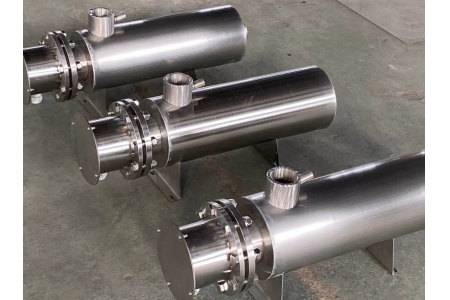
An explosion-proof electric heater is an electric heating device specially designed for flammable and explosive hazardous environments. It converts electrical energy into thermal energy and, through a special flameproof structure and multiple safety protection mechanisms, ensures safe operation in locations where explosive gases, vapors, or combustible dusts are present.
The explosion-proof electric heater converts electrical energy into thermal energy to heat liquid, gaseous, or solid media. Under pressure, a low-temperature fluid medium enters the heater inlet, flows along specific internal heat exchange channels, absorbs the high-temperature thermal energy generated by the electric heating elements, and then exits from the outlet as a high-temperature medium that meets the process temperature requirements.
Its core explosion-proof principle lies in the following: a flameproof device is installed inside the junction box, which can effectively isolate or eliminate electrical sparks that may be generated internally, preventing ignition of flammable and explosive gases or dusts in the external environment, thereby eliminating explosion hazards.
The control system automatically adjusts the output power according to the signal from the outlet temperature sensor, making the medium temperature uniform; when the heating element overheats, an independent overheating protection device immediately cuts off the heating power supply, avoiding coking, deterioration, or carbonization of the material caused by overheating, which in severe cases can burn out the heating element.
Component Material/Specification Function
Explosion-proof junction box Cast aluminum alloy ZL102, surface high-voltage electrostatic spray coating Flameproof enclosure, isolates electrical sparks
Electric heating element Stainless steel protective sleeve + nickel-chromium alloy wire + crystalline magnesium oxide powder Electrical energy → thermal energy conversion
Flange connector Carbon steel/stainless steel Sealed connection with vessel/pipeline
Temperature control system Thermocouple/thermal resistance + PID controller Closed-loop temperature control, accuracy ±0.2℃
Overheating protection device Independent temperature switch Automatic power-off on overtemperature
Pressure/flow monitoring module Pressure/flow sensor Interlock protection
Some high-end models use a double protective tube structure: the inner layer is the electric heating element (heating wire + magnesium oxide powder + metal protective tube), and the outer layer is covered with an additional metal outer protective tube, with the space between the tubes filled with metal fillers such as copper alloy or aluminum alloy. Even if the inner tube ruptures, the metal filler can absorb the mechanical energy released by the rupture and encapsulate the magnesium oxide powder, greatly improving explosion-proof performance and service life.
Type Structural Features Typical Applications
Immersion explosion-proof heater Flange mounted, heating tube directly inserted into the vessel Liquid heating in water tanks, oil tanks, reaction towers, storage tanks
Circulation explosion-proof heater Equipped with circulation pump, medium forcibly flows through the heater Heat transfer oil furnaces, molten salt heating systems
Far-infrared explosion-proof heating device Hollow far-infrared radiation strip + flat resistance band Heating of reactor outer walls, saves more than 30% electricity
Explosion-proof tank-type heater Flexible structure, low surface power density Anti-freezing and insulation of large storage tanks, viscosity reduction of viscous liquids
Explosion-proof air heater Finned elements, heats flowing air Heating of drying rooms, air ducts, inert gases
Rated voltage 220V / 380V
Rated power 1kW~3000kW (single unit)
Explosion-proof marking Ex d ⅡB T4 Gb / Ex d ⅡC T4 Gb
Protection rating IP66
Maximum operating temperature Conventional 720℃, some models up to 850℃
Pressure resistance Up to 20MPa
Temperature control accuracy ±0.2℃
Thermal efficiency Close to 100% (99% of heat transferred to the medium)
Applicable zones Zone 1, Zone 2 (gas); Zone 21, Zone 22 (dust)
Applicable gas groups Group ⅡA, ⅡB, ⅡC explosive gas atmospheres
Temperature groups T1~T4
Explosion-proof grade matching: The corresponding explosion-proof grade must be selected according to the type and zone classification of the on-site explosive gas/dust (for example, hydrogen environments require Class ⅡC, while general hydrocarbon gases only require Class ⅡB)
Surface power density control: When heating viscous or heat-sensitive media, models with low power density (such as 0.8W/cm²) should be selected to prevent scaling and carbonization of the medium on the tube surface
Material selection: Choose stainless steel 316L for corrosive media; carbon steel is sufficient for ordinary media; special design is required for hydrogen-containing environments
Interlock protection must be provided: Explosion-proof electric heaters are explosion-proof components and must be used in conjunction with temperature interlock control and protection devices such as thermocouples, and must not be operated alone
Installation depth requirements: The heating part must extend more than 50mm into the medium to be heated, and the 100mm range near the flange surface is a non-heating part
Complete machine explosion-proof certificate: When selecting a model, it must be confirmed that the equipment has obtained a complete machine explosion-proof certificate and has been inspected according to GB 3836 standards
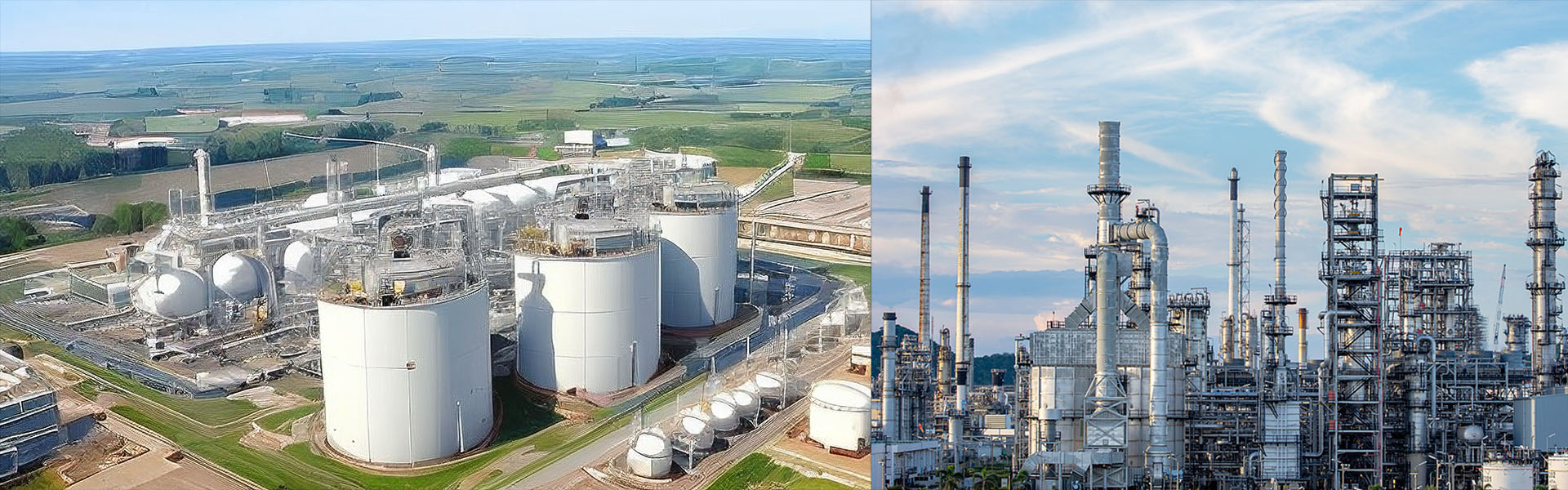
Petroleum and chemical industry
Heating of hydrocarbons such as crude oil, heavy oil, fuel oil, heat transfer oil, lubricating oil, and paraffin; heating of reactor materials
Chemical and pharmaceutical
Material heating, powder drying, spray drying, feed heating for polymerization reactions
Ship and marine engineering
Heating of engine rooms, oil tanks, pump rooms, chemical tanks, and inert gas systems; must meet classification society certifications such as CCS, DNV, and LR
Oilfields and mining areas
Anti-freezing and insulation of storage tanks, pipeline heat tracing, heating of oil wellheads
Military and special locations
Temperature-controlled heating in high-risk locations such as ammunition depots and pyrotechnic workshops
Grain storage and metal processing
Explosion-proof heating in combustible dust environments
GB 3836 series Electrical equipment for explosive atmospheres Core standards for explosion-proof electrical equipment
GB/T 19518.1-2024 Explosive atmospheres—Resistance trace heating—Part 1: General and testing requirements General standard for trace heaters
GB/T 19518.2-2026 Explosive atmospheres—Resistance trace heating—Part 2: Application guide for design, installation and maintenance Implemented from October 1, 2026, modified adoption of IEC/IEEE 60079-30-2:2015
GB/T 32348.2-2015 Industrial and commercial resistance trace heating systems—Part 2 Guidelines for system design, installation and maintenance
JB/T 2379-2016 Metal tubular heating elements Industry standard for tubular heating elements
Operation without interlock protection is strictly prohibited: It must be used in conjunction with interlock control devices for temperature, pressure, flow, etc., to ensure automatic power-off under abnormal working conditions
Regularly inspect flameproof surfaces: Flameproof joint surfaces must not have scratches or corrosion, and fastening bolts must be complete and tight to ensure flameproof performance
Moisture-proof and corrosion-proof: Pay attention to moisture protection during storage and installation, and stainless steel materials should be selected for corrosive environments
Regularly test insulation resistance: When the cold insulation resistance is lower than the standard value, it should be shut down for maintenance
No need to drain when replacing elements: Some flexible-structure models support replacement of heating elements without shutdown, reducing downtime losses
Special occasions such as ships: In addition to general explosion-proof standards, classification society certification and marine environmental adaptability requirements must also be met (corrosion resistance, vibration resistance, inclined operation, etc.)